Hardest Puppy Weeks: 8–16 and the 5–8 Month Stage
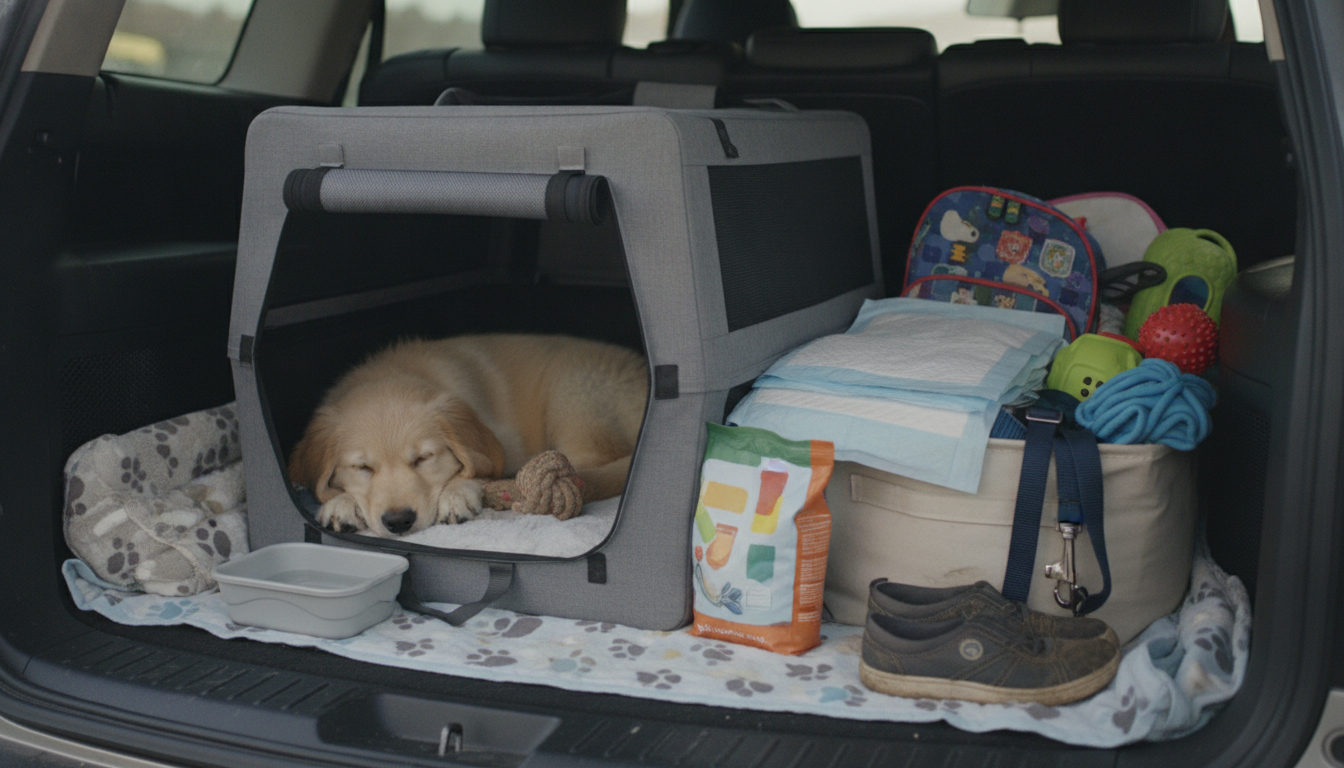
What are the hardest weeks with a puppy?
The hardest weeks with a puppy are usually weeks 8–16, with another common rough patch around months 5–8. The early stretch is difficult because your puppy is brand-new to your home, has almost no bladder control, and is still learning how to settle, sleep, and feel safe. The later stretch often feels hard for different reasons—bigger energy, selective hearing, and boundary-testing.
Weeks 8–10: The “new home” shock
This is when many puppies first arrive. Expect frequent potty trips (sometimes every 30–60 minutes when awake), crying in the crate, and lots of mouthing. The biggest challenge is consistency: every accident or “cute” nibble that’s allowed can become a habit.
Weeks 10–12: Sleep, biting, and overstimulation
Puppies can look confident one minute and melt down the next. Nipping often ramps up because they explore with their mouths and don’t yet know how to regulate excitement. Short, calm training sessions and enforced naps can make these weeks noticeably easier.
Weeks 12–16: Teething starts, attention gets wobbly
Many puppies begin serious teething in this window, which can make chewing and biting feel relentless. You may also see more pulling on leash, jumping, and “zoomies.” Keep routines predictable and redirect chewing to appropriate toys, then reward calm behavior the moment it appears.
Months 5–8: Adolescence (the surprise hard stage)
After progress, some puppies act like they “forgot” commands. That’s often adolescence: increased independence, distraction, and testing limits. Go back to basics, manage the environment (leash, gates, structured play), and keep training easy to win.
If you want a simple schedule for those first tough weeks—potty timing, daily routines, and foundational commands—follow this 4-week puppy training plan to reduce chaos and build momentum fast.
FAQ
How do I stop puppy biting without yelling?
Freeze for a moment, then redirect to a toy and praise gentle play. If biting continues, calmly end interaction for 10–20 seconds so your puppy learns that teeth make fun stop.











Leave a comment