4-Week Puppy Training Plan: Routines, Potty & Commands
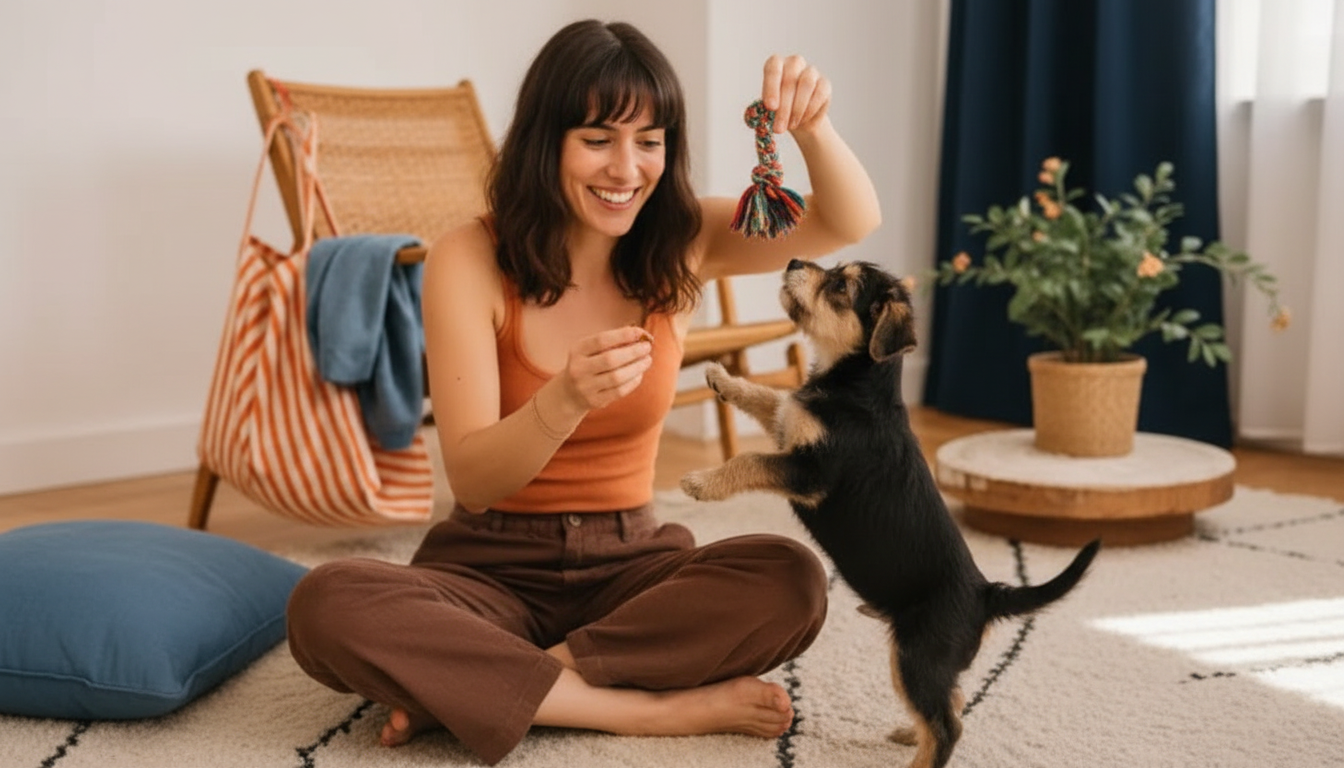
New Puppy Training Starter Guide: A 4-Week Printable Plan for Routines, House-Training, Commands, and Social Skills
The first month with a new puppy is equal parts exciting and overwhelming. A simple routine, a few clear house-training rules, and short daily practice sessions can prevent most early problems. Below is a beginner-friendly 4-week plan you can follow day by day to build calm habits, prevent accidents, and teach the essentials without overloading your puppy.
Before Day 1: Set Up the Home and Expectations
Preparation is the hidden “training session” that makes everything else easier. Start by choosing a confinement plan (crate, playpen, or gated puppy-safe room) so your puppy can’t rehearse accidents, chewing, or frantic behavior when supervision slips. Pick one outdoor potty spot and commit to it—same door, same area, same routine.
Gather a few essentials: tiny soft treats, chew toys, enzymatic cleaner (so odor doesn’t invite repeat accidents), a leash/harness, and a long line for safe outdoor practice. Agree on household rules (furniture access, feeding location, cue words like “outside” or “potty”) so your puppy gets one clear message. Finally, schedule a vet check and confirm vaccine and parasite-prevention timelines before you expand social exposure. For socialization safety guidance, reference the AVSAB puppy socialization position statement.
A Simple Daily Rhythm for an 8-Week-Old Puppy
Most new-puppy chaos comes from unpredictable timing. Anchor the day around a repeating cycle: potty → play/train → eat → potty → nap. Puppies commonly need 18–20 hours of sleep per day; frequent naps reduce nipping, zoomies, and “wild” behavior that looks like disobedience but is often overtiredness.
A reliable potty rule of thumb: after waking, after eating/drinking, after play, and at least every 30–60 minutes at first. Write your schedule down for the first two weeks so you can spot patterns (like the “always pees 10 minutes after breakfast” clue that prevents tomorrow’s accident).
| Time | What to do | Goal |
|---|---|---|
| 6:30 | Wake → potty trip → quiet praise | Start day with a win |
| 6:45 | Breakfast (measured) → water | Predictable digestion |
| 7:00 | Potty → 3–5 min training (name, sit) → play | Learning + bonding |
| 7:30 | Potty → nap in crate/pen | Practice settling |
| 9:00 | Wake → potty → short walk in safe area | Confidence + leash exposure |
| 9:30 | Chew toy + calm time | Prevent biting habits |
| 11:30 | Lunch → potty → nap | Routine consistency |
| 2:30 | Wake → potty → socialization outing (brief) | Positive exposures |
| 5:30 | Dinner → potty → play → calm settle | Evening structure |
| 8:30 | Potty → quiet downtime | Lower arousal before bed |
| 10:30 | Last potty → bedtime | Reduce overnight accidents |
How Long Should Training Sessions Be?
For an 8-week-old puppy, aim for 3–5 minutes per session and stop while your puppy is still engaged. Instead of one long session, do several micro-sessions (often 5–10 per day) built into real life—before meals, after potty, and before walks.
Use high-value reinforcement and keep the criteria simple: reward quick responses and calm focus, not perfection. End with an easy win (like responding to their name or touching your hand) so training stays upbeat. If your puppy gets bitey, frantic, or suddenly can’t focus, it’s often a nap issue—switch to a chew in the pen or a quiet crate break.
House-Training: Clear Rules That Prevent Setbacks
4-Week Starter Plan (Beginner-Friendly Progression)
| Week | Daily priorities | Simple success check |
|---|---|---|
| 1 | Potty routine, crate comfort, name response, gentle handling | Accidents decreasing; puppy relaxes in crate/pen |
| 2 | Sit/down, recall indoors, leash exposure, bite inhibition games | Responds to name; fewer hard bites |
| 3 | Leave it/drop it, settle, alone-time, calm greetings | Can relax on mat for 30–60 seconds |
| 4 | Proof cues with mild distractions, routine consistency, socialization | More predictable potty; faster calm after play |
Core Commands to Teach First (Without Overloading the Puppy)
If you want a structured, printable version of this progression, see the New Puppy Training Starter Guide (printable 4-week routine).
Socialization: Confidence Over Crowd Exposure
Include gentle handling practice daily: paws, ears, brief collar grabs, and soft brushing, rewarding throughout. Follow veterinary guidance on safe places based on vaccine status; when in doubt, avoid high-risk dog areas. For training fundamentals and timing, the American Kennel Club’s puppy training basics can help reinforce the essentials.
The Hardest Weeks With a Puppy (and What Helps)
Printable Support: Keeping the Plan on Track
A printable routine helps everyone in the home follow the same schedule and cue words, which speeds up learning. Simple checklists reduce missed potty trips and make progress visible week to week. If you’re building a broader “new pet” plan before or after adoption, the Are You Ready? Pet Adoption Decision Workbook can help clarify responsibilities, costs, and household expectations.
And if your household runs best with a daily structure you can actually stick to, the Ultimate Productivity Blueprint can be a helpful companion for maintaining routines during the busy puppy stage.
FAQ
What is a good routine for an 8 week old puppy?
Use a repeating cycle of potty, short play/training, meal, potty, then nap. Plan potty trips after waking, eating/drinking, and play, plus at least every 30–60 minutes at first, and build in several naps to prevent overtired nipping.
What are the hardest weeks with a puppy?
The earliest weeks (around 8–12 weeks) can feel hardest due to sleep loss and frequent potty needs, followed by teething when chewing and mouthiness ramp up. Many dogs also go through a later adolescent phase where refreshing basics and staying consistent becomes important again.
How long should training sessions be for an 8 week old puppy?
Keep sessions very short—about 3–5 minutes—several times per day. Stop before your puppy loses interest and use everyday moments (before meals and after potty) for quick practice.











Leave a comment