8-Week-Old Puppy Training: Ideal Session Length
How long should training sessions be for an 8 week old puppy?
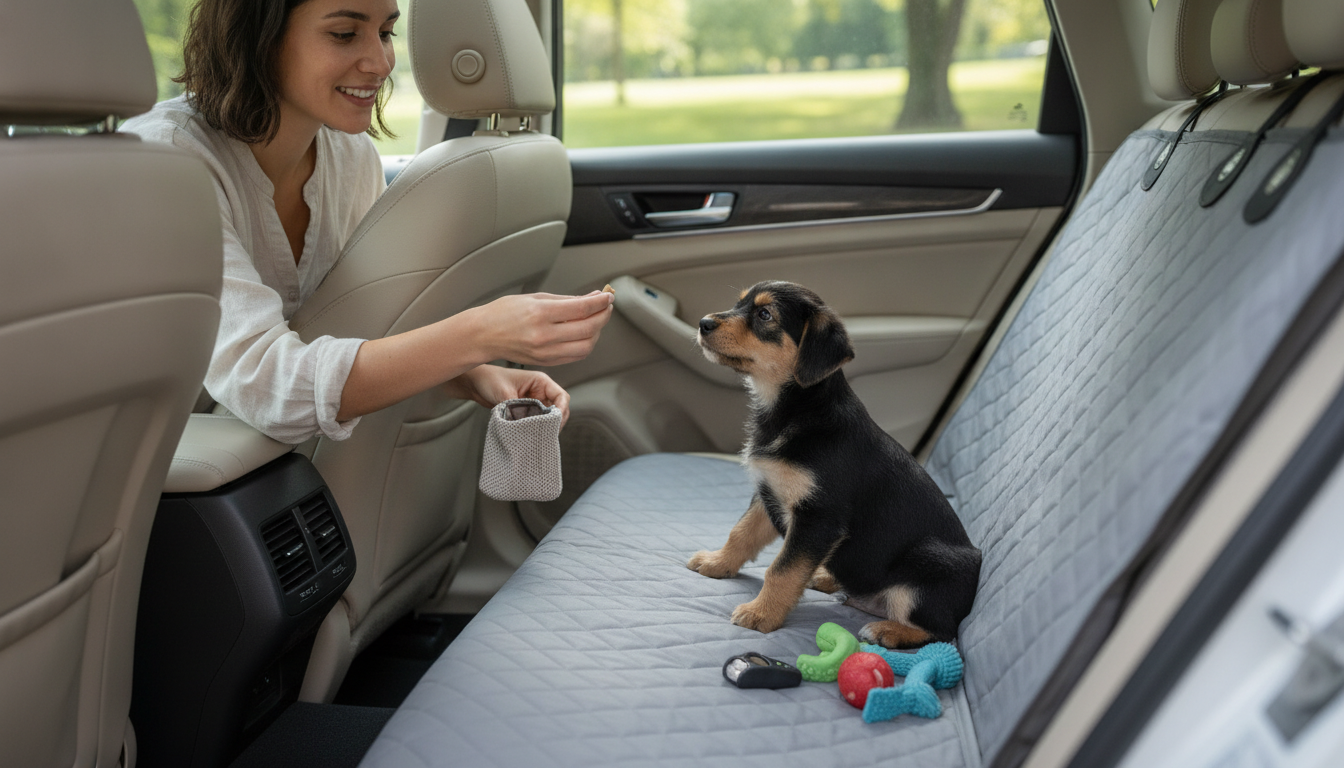
For an 8 week old puppy, aim for training sessions that last about 1–3 minutes, repeated several times a day. At this age, puppies are curious but easily distracted, and short sessions help them stay successful without getting overwhelmed or cranky.
A good target is 4–8 mini-sessions spread across the day, often attached to moments you’re already interacting—right after potty trips, before meals, after a nap, or during calm play. Think of training less like “class time” and more like quick, upbeat check-ins.
Why shorter is better at 8 weeks
Young puppies are still learning how to learn. Their attention span is tiny, their bodies fatigue quickly, and they’re processing a lot of new sights, sounds, and routines. Ending early—before your puppy loses focus—keeps training positive and makes the next session easier.
What a great 2-minute session looks like
Pick one skill and keep it simple: respond to their name, “sit,” “touch,” or rewarding calm eye contact. Use tiny treats (or part of a meal), mark the right behavior quickly, and stop while your puppy is still engaged. If your puppy starts sniffing the floor, wandering off, or mouthing your hands harder, that’s a cue to wrap up.
How to build duration over time
Over the next few weeks, you can gradually extend to 3–5 minutes if your puppy stays happy and focused. It’s better to add another short session than to push one long session. Consistency beats marathon training at this stage.
Pair training with a simple routine
Training works best when it’s tied to predictable daily rhythms—potty breaks, meals, naps, and play. For a step-by-step routine that fits a very young puppy, follow this guide: 4-week puppy training plan, routines, potty, and first commands.
FAQ
How often should I train an 8 week old puppy each day?
Aim for 4–8 mini-sessions daily, each just a couple minutes. Use natural moments (after potty, before meals, after naps) to keep it easy and consistent.












Leave a comment